
Noticing the power game of knowledge that disempowers our embodied wisdom.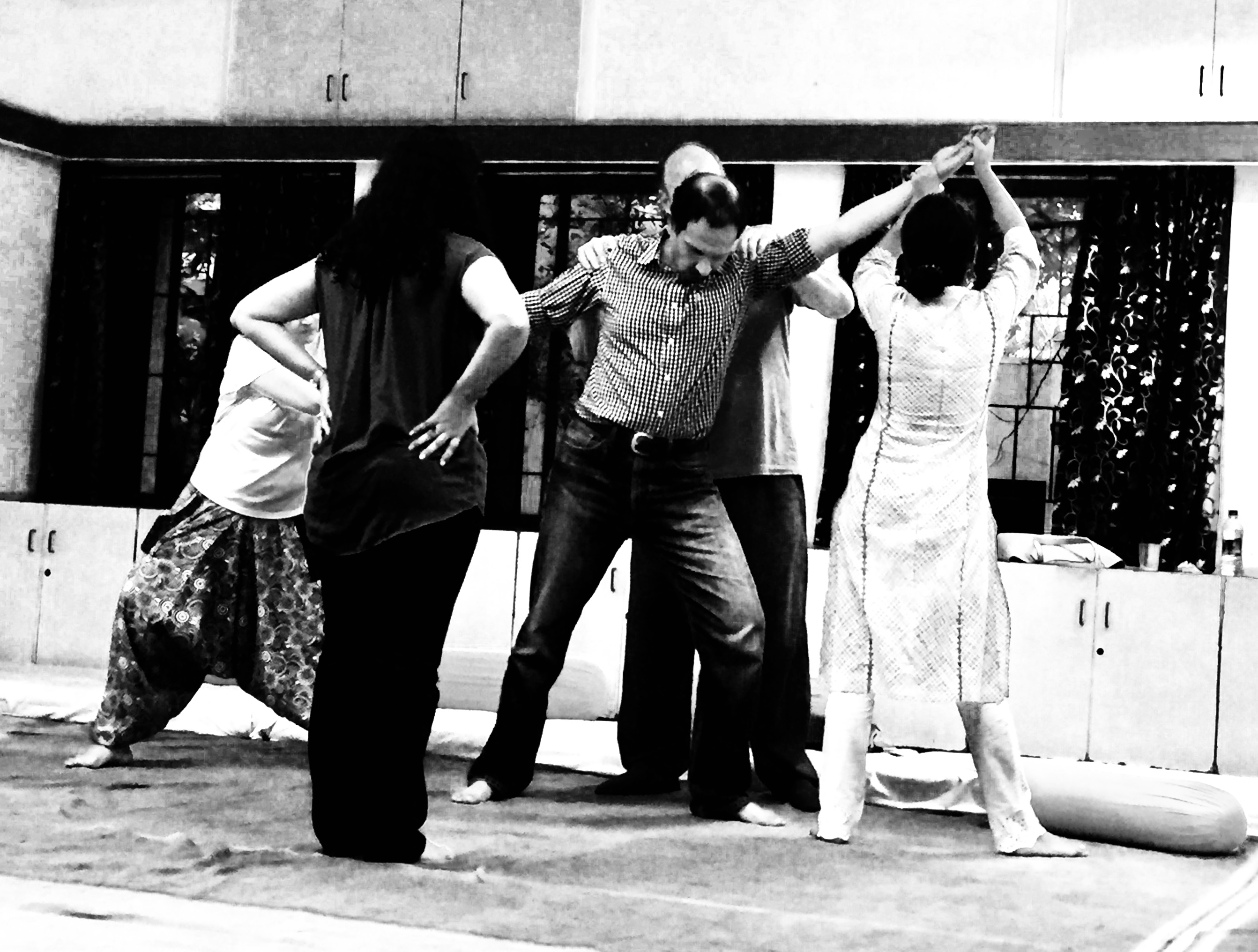
Around 2600 years ago, Buddha differentiated between knowledge downloaded from external authority and real knowledge that emerged from the felt experience of the body (Pragya or Pratyaksh Gyan). He urged us to choose the latter, but we did just the opposite.
If we pay attention to the relationship between our mind and body, we will see that most of the time, our mind controls, exploits, and uses our body to meet its ego needs. We get so obsessed with ideals of progress that we disempower the innate wisdom and needs of our bodies. All our lifestyle diseases, depression, and anxiety are the result of years of slavery that our minds subjected our bodies to.
This is the way our mind colonizes the body.
And this is how powerful social actors (intellectual authority) colonize the free agency and wisdom of the collectives (the social body).
Those located on the top of the economic pyramid colonize knowledge to dictate and control our experiences & identity. It’s true not just for profit-seeking corporations and media houses but also for altruistic policymakers, development agencies, and academic institutions. They often come from historically powerful countries and privileged contexts, proclaim their intellectual or moral authority, intervene in less-privileged worlds, dictate their frameworks (often sourced from native wisdom), sell their knowledge products, protect their copyrights, ignore the wisdom of natives and walk back with their royalties or righteousness.
As an Indian working in a Western context, I have been aware of the knowledge colonization of the West and am pained to see their entitled arrogance. However, what shocked me most was how I ended up playing this game.
Five years back, Swayam Shikshan Prayog (SSP), a leading social enterprise working on women empowerment, invited me to design a leadership development program for their grassroots women leaders. Some of their enterprise staff were fascinated by my experience with societal transformation leadership frameworks developed at MIT & Harvard and their application across business and development sectors. I felt excited to bring the new global transformation processes to the grassroots in India. Some of my colleagues even envisioned a new case study coming from this project to demonstrate the power of our work.
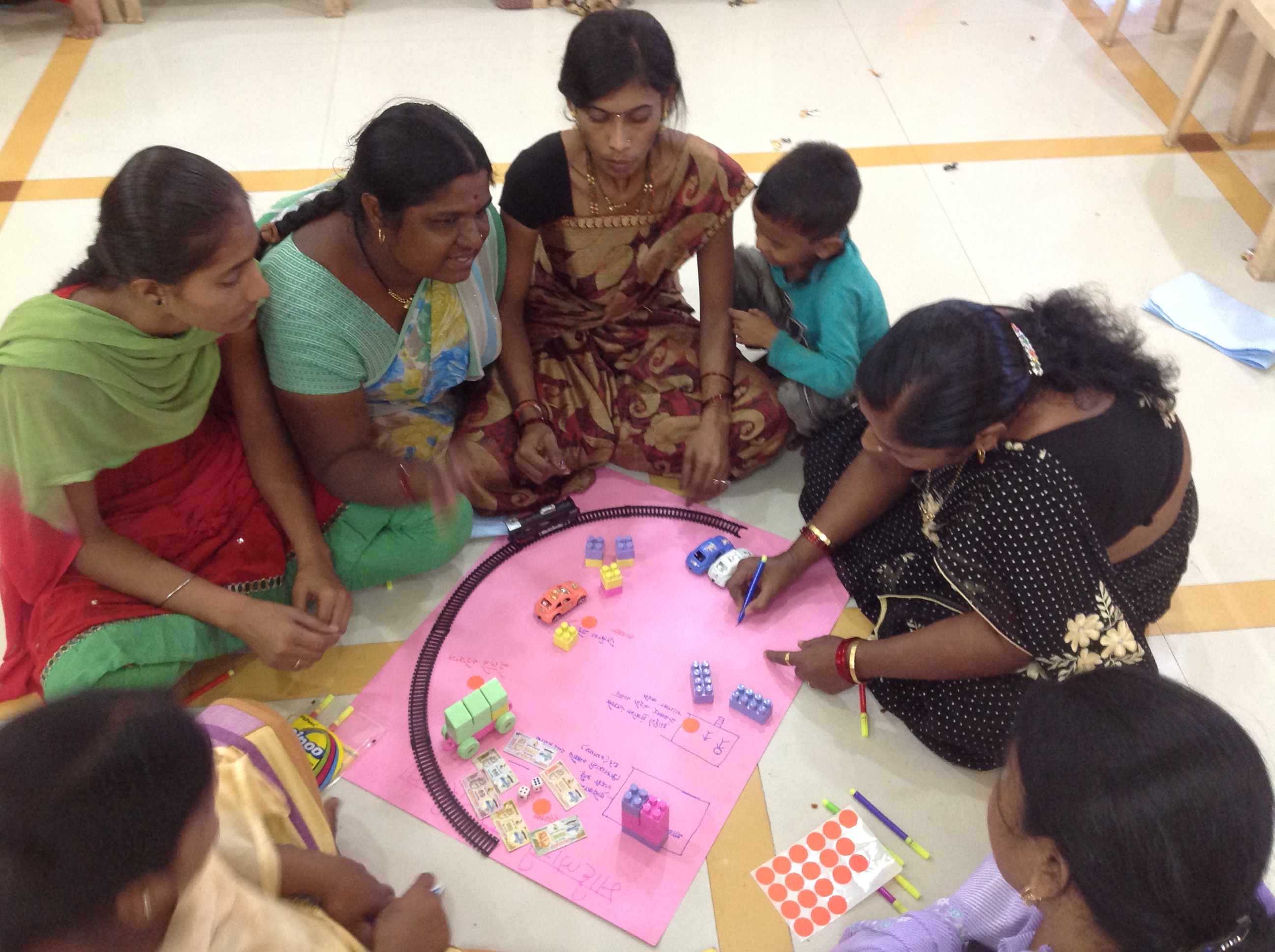
However, every time we tried to work together, something was missing. I realized that the Western frameworks I was bringing did not resonate with the felt experience of grassroots women’s empowerment journeys. I was touched to see them struggling to fit their narratives into the lens I was providing while I was busy proving them lesser and preparing their development plans. Their love and faith broke my heart. They made me aware of my privileges and blindspots as a Western-trained Indian man.
At one point, I surrendered, admitting that I didn’t have anything that truly honored their journey. That’s when a few women offered to help me. They shared their stories about how they gathered as a collective, negotiated power with village men and local government, co-created innovative prototypes, and transformed their village cropping pattern. They not only reversed the water table but brought farmer suicides to zero in a draught-hit region.

This experience revealed to me, the power and embodied wisdom hidden in the grassroots. I was able to access it only when my concepts, ideas and frameworks failed. And when, I accessed the helplessness and brokenness within my own body.
As my role transformed from teacher/ facilitator to a witness/ celebrator of their native wisdom, I felt ease and aliveness in my own body.
Later, while practicing Social Presencing Theater, a contemplative embodiment practice, I started seeing deeper connections between how we disempower our bodies and how the social elite or think tanks disempower the wisdom of collectives.
It felt like a vicious circle that worked both ways. When our mind is disconnected from felt-experience of our body, we have little sensitivity to what others feel. This lack of empathy disconnects us from the social body. We feel lonely and vulnerable to the institutional narratives of hatred, greed, fear, and helplessness.
On the other hand, when those in power assume that they have better solutions than the native wisdom of communities, they end up promoting their thought leadership (ego-power) in spite of their altruistic persona. Their framework becomes their only lens, creating an ego-reinforcing bubble that disconnects them from their own and collective body wisdom.
However, when we start honouring the felt experience of our body, as Buddha invited us to, we stay closer to truth. We are not seduced by ego and fear-based narratives. We develop the courage to call the colony over and return to the fields where we belong.
Decolonizing is a courageous act to give power back to where it belongs. At a personal level, it is our own body, and at the societal level, it is collectives of natives and grassroots. It requires us to let go of our agendas, concepts, frameworks, and even save-the-world narratives. It’s an invitation to feel vulnerable and helpless and look into our inner power game. It calls for developing deeper capacities of mindfulness, acceptance & honoring.
Imagine if we could truly listen and honour the wisdom of our personal, social and earth body, what a beautiful world would that be?
Manish Srivastava, from the Sacred Well
This blog was first published in http://www.sacredwell.in on 17.04.2019
Over the past six years, I’ve been deeply encouraged by the feedback from readers. For a long time, this blog was featured on the reading lists of a few leading somatic trauma healing institutes. Their reflections inspired me to delve deeper into the patterns I’ve observed in my work as an international development facilitator. I realized this topic extends far beyond what I’ve explored here.
How does the collective trauma of colonization continue to shape our social reality? How do we internalize its dysfunctional patterns, unconsciously relinquishing power to those representing colonial, class, or racial dominance? How deep is this wound? What would it take to make those is power aware and accountable to their unconscious, unjust power and rank? And most importantly, what can mindfulness and embodiment practices teach us about decolonizing our genes and transforming these exploitative patterns?
I plan to explore these questions further in upcoming blogs. Stay tuned and subscribe at www.sacredwell.in.
I am grateful to:
- Anil Kulkarni for graciously offering his picture from “Stuck” exercise during the Social Presencing Theater Foundation workshop in India
- Arawana Hayashi for introducing me to contemplative and movement based practices.
- Sonali Gera for reading and advising on first draft of this blog
 the sacred well